How 20 Rural Entrepreneurs Redefined Disability Through Livelihoods
Creating Livelihoods, Restoring Confidence and Building Self-Reliance for Persons with Disabilities in Betul & Khandwa, Madhya Pradesh (2019–2023)
The Problem
What does independence mean when stepping outside your home is a challenge, finding work seems impossible, and every expense depends on someone else?
For many persons with disabilities living in the tribal villages of Betul and Khandwa, this wasn’t an occasional struggle—it was everyday life. They possessed skills, determination and the desire to work, but lacked the opportunities, financial resources and support needed to turn those abilities into livelihoods. Government pensions helped families survive, but they could not replace the confidence that comes from earning one’s own income. Over time, disability became associated not with capability, but with dependence, leaving many people isolated from both economic and social life.
Our Approach
TAAL believed the first step towards change wasn’t distributing assistance—it was listening.
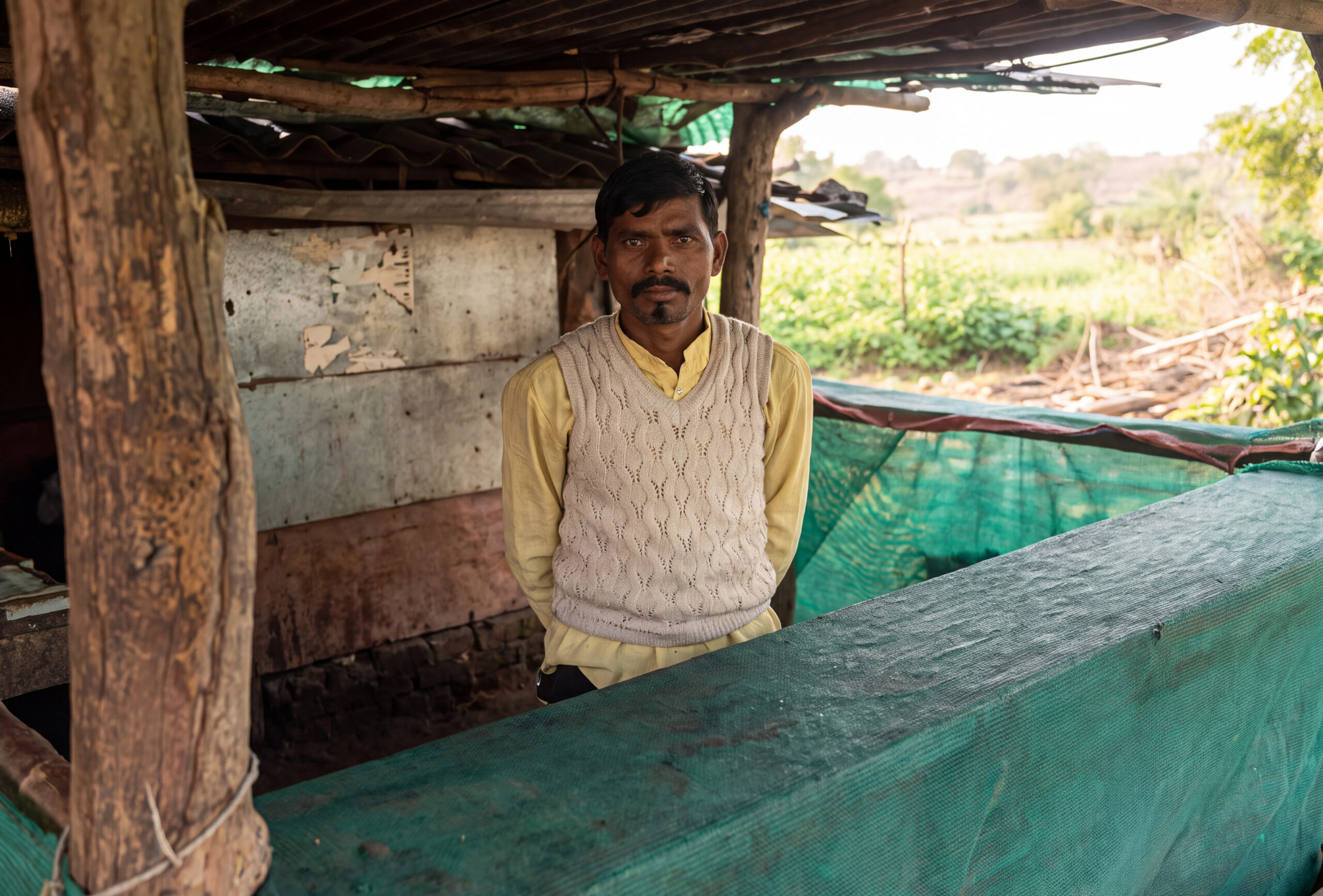
Field teams travelled from village to village, meeting persons with disabilities in their homes, talking with their families and understanding what each individual already knew how to do.
Rather than asking, “What do you need?” the conversations centred on a different question:
“What would you like to build?”
The answers shaped the journey ahead. Some wanted to open grocery shops from their homes. Others hoped to repair bicycles, start tailoring units, sell stationery or run small tea stalls. Every idea reflected a person’s skills, interests and the realities of their village.
Once these aspirations took shape, TAAL worked alongside each beneficiary to prepare a practical business plan. Eligibility was carefully verified through discussions with families and village leaders, financial support was released in phased instalments directly into bank accounts, and regular mentoring helped new entrepreneurs overcome early challenges and steadily strengthen their businesses.
Then, just as many of these enterprises began gaining momentum, the COVID-19 pandemic brought local markets to a standstill. Instead of allowing years of effort to fade away, the project adapted. The final phase of support helped beneficiaries sustain and protect their businesses through one of the most uncertain periods they had ever faced, ensuring that the journey towards self-reliance did not come to an abrupt end.
The Outcome
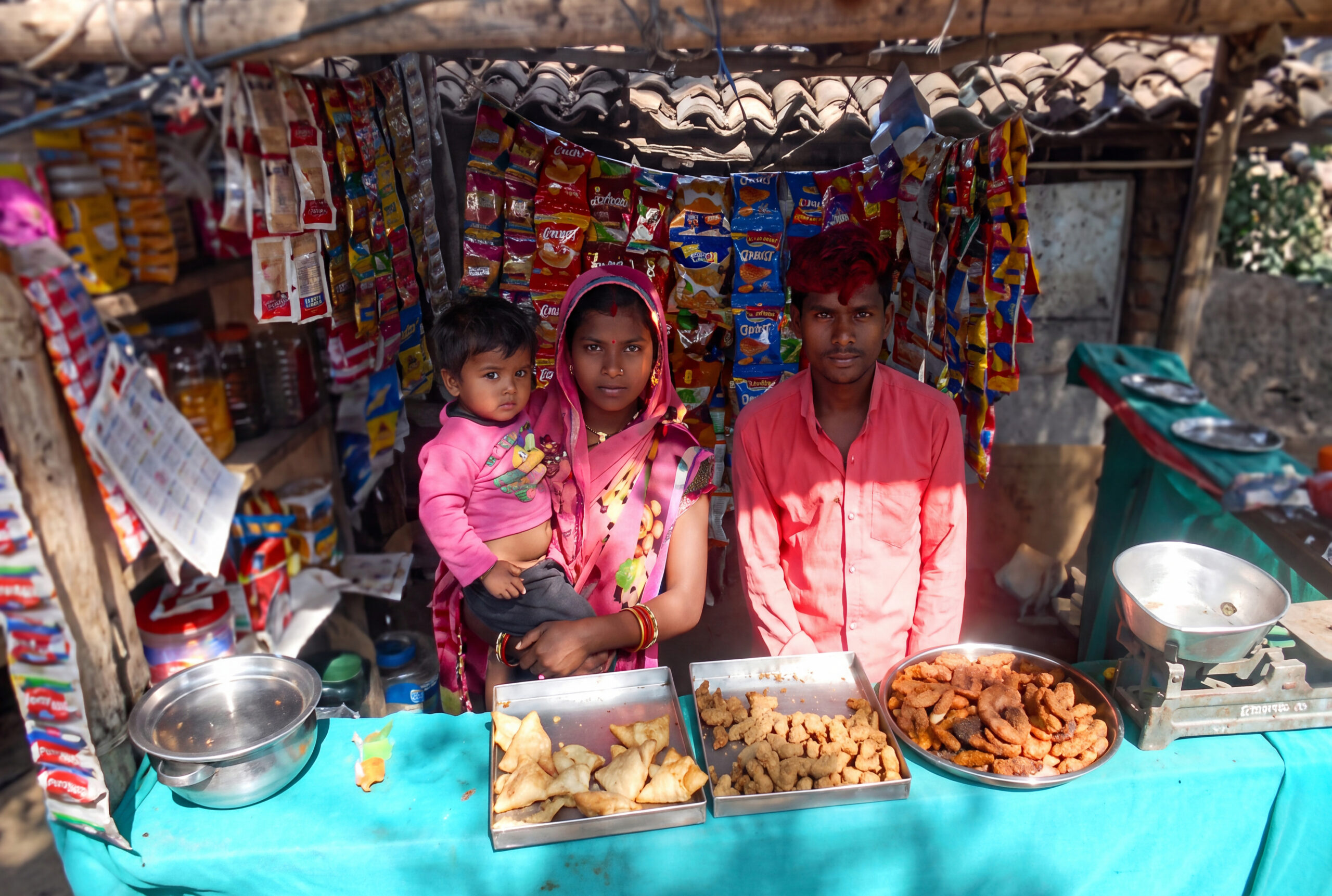
Across Betul and Khandwa, 20 persons with disabilities turned their aspirations into income-generating enterprises. Together, they established 12 kirana shops, 4 sewing and tailoring units, 2 cycle repair shops, a tea shop and a stationery shop—businesses chosen not because they were prescribed by a programme, but because they made sense for the skills and markets around them.
Among them was Chandulal Kajle, who started a kirana shop in Khandwa; Mohan Kajle and Rajesh Vishvakarma, who built cycle repair businesses in Betul; Bhagwati Uike and Suiya Kasde, who turned their tailoring skills into businesses of their own; and Lal Singh Kasde,
who established a stationery shop. Others, including Shriram Tadelkar, Seema Sukhnandan, Kamlati, Chhannu Kakodiya and Buddhura, found opportunities through small neighbourhood grocery stores. Across the group, reported monthly earnings reached as high as ₹8,000, creating dependable sources of income where none had existed before.
Yet the most meaningful change could not be measured in earnings alone.
Families who had once worried about lifelong dependence began seeing new possibilities. Villagers no longer recognised people simply for their disabilities, but for the businesses they had built and the services they provided. Customers replaced sympathy, confidence replaced hesitation, and dignity quietly found its way back into everyday life.
The initiative demonstrated a simple but powerful truth: when people are given the opportunity to build on their abilities rather than be defined by their limitations, livelihoods grow—but so does self-belief.