TAAL initiated its interventions in 2002 with the training of elected representatives in the provisions of 73rd amendment of Constitution and the Panchayat Act.
TAAL works through three key approaches –
1. Institutional collaboration: TAAL has collaborated with all the institutions formed under the 73rd and 74th amendment of Constitution for purposes of livelihood initiatives, accessing entitlements under different schemes and legal framework.
2. Enabling communities to access their entitlements: TAAL helps communities to know their entitlements and the governance institutions and mechanisms.
3. Conducting Research: TAAL has collaborated with government institutions to conduct participatory research.
TAAL initiated its interventions in 2002 with the training of elected representatives in the provisions of 73rd amendment of Constitution and the Panchayat Act.
TAAL endeavours to include in all its work
1. Institutional collaboration: TAAL has collaborated with all the institutions formed under the 73rd and 74th amendment of Constitution for purposes of livelihood initiatives, accessing entitlements under different schemes and legal framework.
2. Enabling communities to access their entitlements: TAAL helps communities to know their entitlements and the governance institutions and mechanisms.
3. Conducting Research: TAAL has collaborated with Government Institutions to conduct participatory research.
TAAL initiated its interventions in 2002 with the training of elected representatives in the provisions of 73rd amendment of Constitution and the Panchayat Act.
TAAL works through three key approaches –
1. Institutional collaboration: TAAL has collaborated with all the institutions formed under the 73rd and 74th amendment of Constitution for purposes of livelihood initiatives, accessing entitlements under different schemes and legal framework.
2. Enabling communities to access their entitlements: TAAL helps communities to know their entitlements and the governance institutions and mechanisms.
3. Conducting Research: TAAL has collaborated with government institutions to conduct participatory research.
TAAL programming is informed by the Rights-Based Programming framework. This enables us to explore with, and work, with communities in the context of global best practices and compliance with legal norms and standards in accordance with the rules and procedures provided by law. It also helps in the transfer of decision-making power, responsibilities and resources to communities (specifically women) which reflect their true aspirations and needs.
1. Enabling communities to access justice.
The approach has led to a better appreciation of the role of culture, identity and indigenous traditional knowledge in development, and the need for these to be integrated in development practices. It has helped communities to understand the spirit of the law and access justice.
2. Child Rights: Participation, Protection and Development
TAAL works for the realization of the Rights of the Child (Right to Survival,
Protection, Participation and Development) within the framework of UN CRC, the Indian Criminal Procedure Code (BNSS presently) and the Indian Penal Code (BNS presently) and appropriate Indian Labour laws (Labour Code presently).
TAAL programming is informed by the Rights-Based Programming framework. This enables us to explore with, and work, with communities in the context of global best practices and compliance with legal norms and standards in accordance with the rules and procedures provided by law. It also helps in the transfer of decision-making power, responsibilities and resources to communities (specifically women) which reflect their true aspirations and needs.
1. Enabling communities to access justice.
The approach has led to a better appreciation of the role of culture, identity and indigenous traditional knowledge in development, and the need for these to be integrated in development practices. It has helped communities to understand the spirit of the law and access justice.
2. Child Rights: Participation, Protection and Development
TAAL works for the realization of the Rights of the Child (Right to Survival, Protection, Participation and Development) within the framework of UN CRC, the Indian Criminal Procedure Code (BNSS presently) and the Indian Penal Code (BNS presently) and appropriate Indian Labour laws (Labour Code presently).
TAAL’s Livelihood intervention started with MPRLP with tribal communities Bhils and Bhilalas in Dhar district in 2005. The interventions then were focused on sectors of agriculture, animal husbandry, watershed etc. With subsequent climate challenges, livelihood initiatives evolved to be climate resilient and inclusive. TAAL works with communities to strengthen adaptive livelihoods across agriculture, fisheries, and natural resource management. It brings together local knowledge, scientific approaches, and participatory research to shape practical solutions. Through partnerships with government and other stakeholders, these solutions are taken forward at scale. TAAL also supports communities in responding to changing ecological and economic realities. Its work strengthens local capacities to make informed choices, adapt to emerging risks, and sustain livelihoods over time.
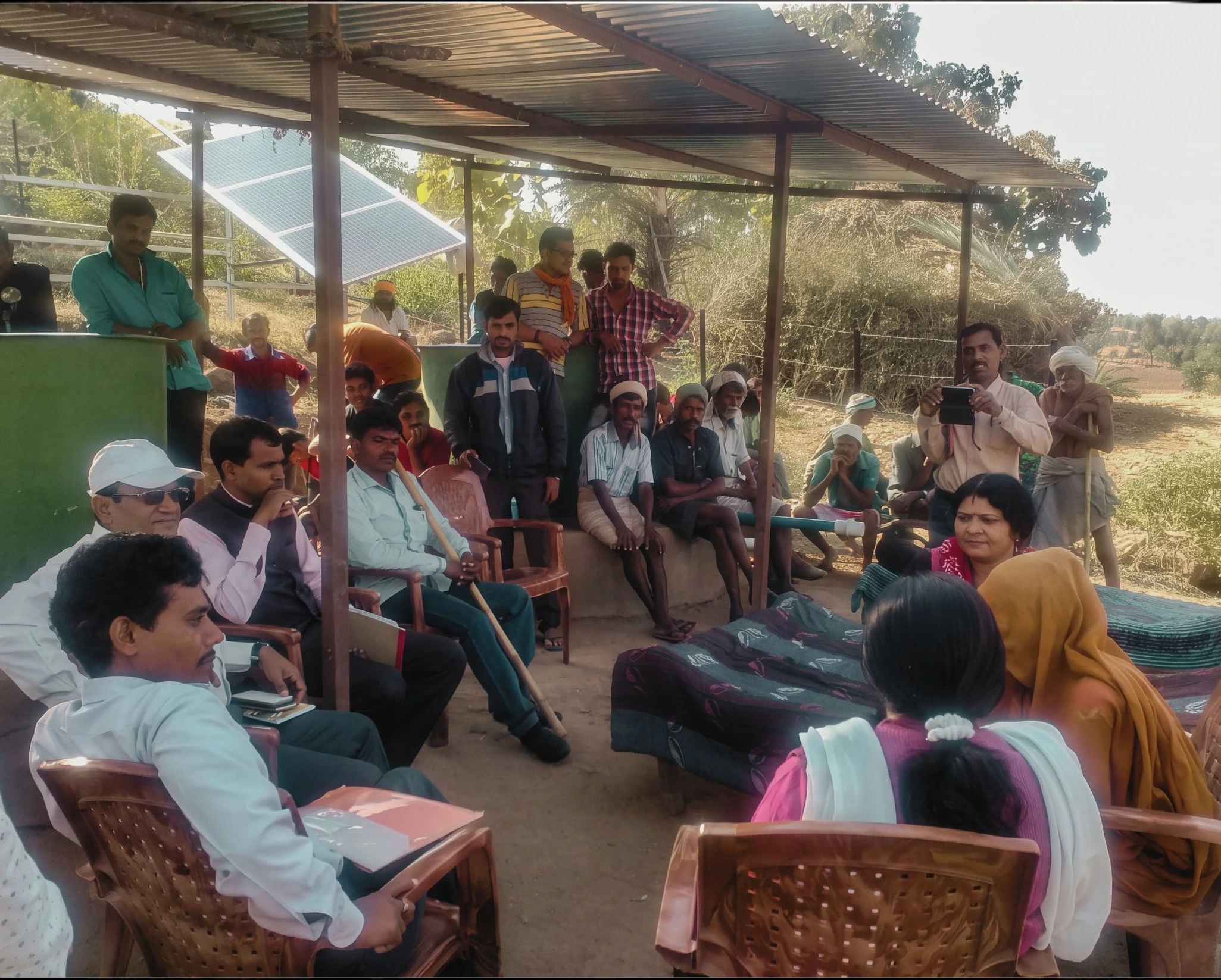
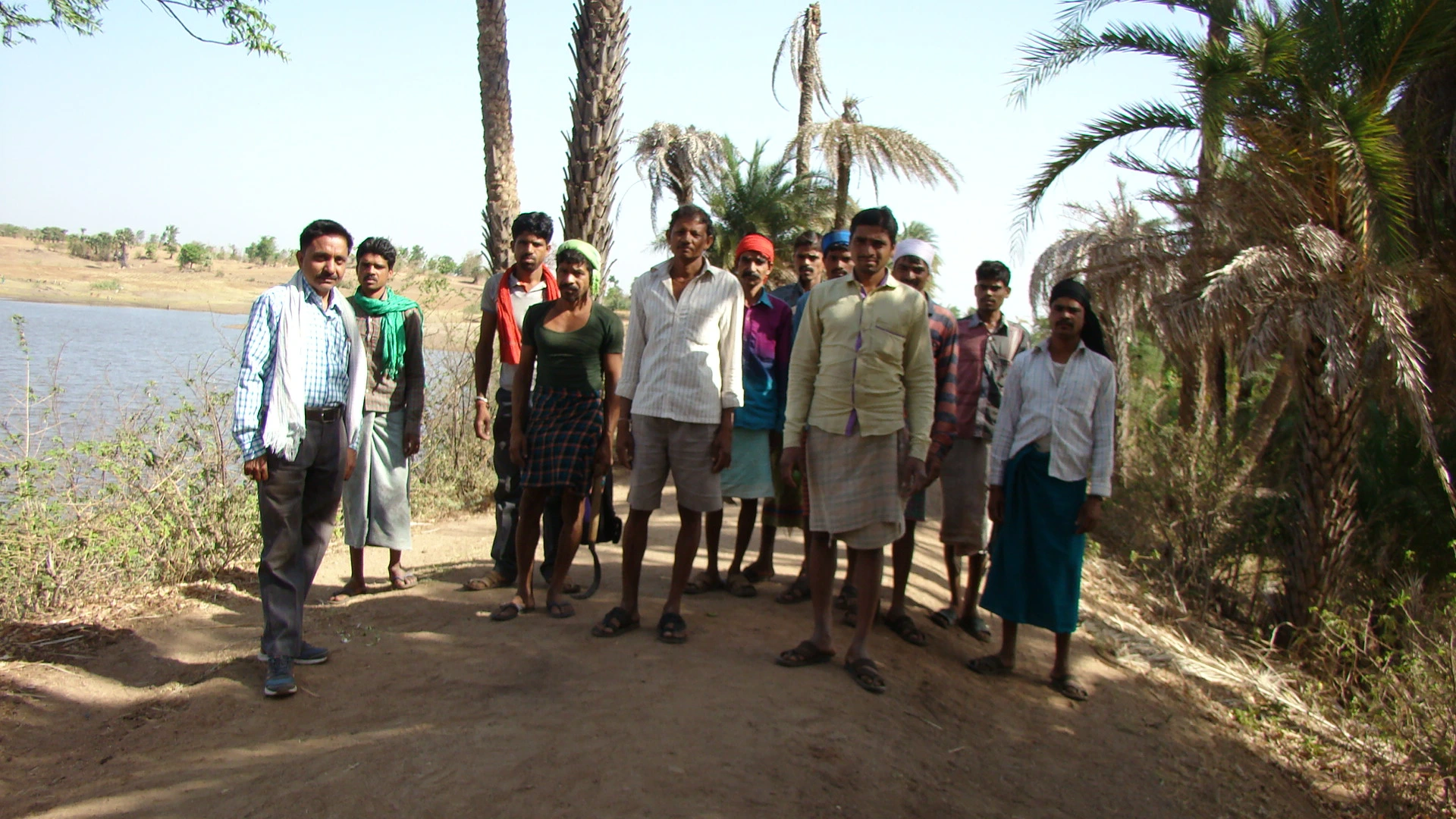
TAAL’s Livelihood intervention started with MPRLP with tribal communities Bhils and Bhilalas in Dhar district in 2005. The interventions then were focused on sectors of agriculture, animal husbandry, watershed etc. With subsequent climate challenges, livelihood initiatives evolved to be climate resilient and inclusive.