Expanding Legal Awareness and Access to Justice across Madhya Pradesh
Strengthening Access to Justice for Vulnerable Communities across Madhya Pradesh — from Legal Awareness to Building Community Capacity (2006–2007)
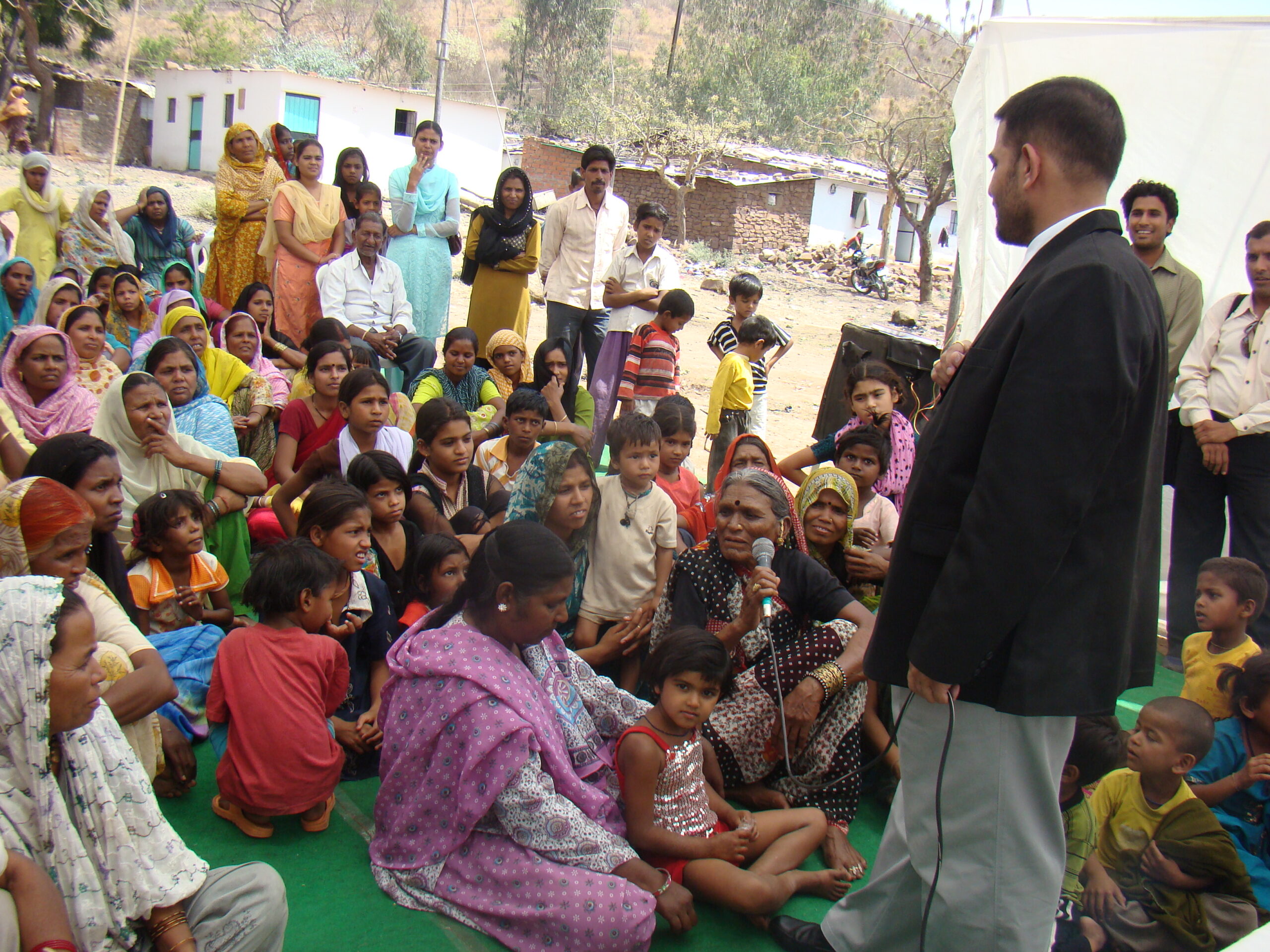
For many poor and marginalised families, the law was something that existed somewhere beyond the village—in police stations, courts and government offices, written in language they did not understand and often too expensive or intimidating to approach. TAAL’s work under the UNDP Strengthening Access to Justice in India (SAJI) programme began by asking what kept people away from the formal justice system. The first phase revealed that the problem was much larger than a lack of legal awareness. The second phase therefore looked towards building stronger community support, legal counselling and institutional linkages so that people could move from simply knowing their rights to actually using them.
The Problem
For poor and disadvantaged communities, a legal grievance could quickly become an economic and social crisis. The cost of pursuing a case, the time involved, uncertainty about where to complain and lack of knowledge about basic legal procedures all made the formal justice system difficult to approach. TAAL’s baseline survey covered 5–8% of 742 households across the project villages and found that the barriers were not merely legal—they were also social, economic and institutional.
People were often unsure about basic rights: where a complaint should be filed, what happened after an FIR was registered, whether money had to be paid to register an FIR, or what rights a person had while being questioned. Many were also unaware of legal protections under laws relating to domestic violence, matrimonial matters and other forms of exploitation. Women facing violence frequently did not recognise it as an offence or feared social consequences if they reported it. Livelihood disputes over land, water, labour and debt could similarly escalate into conflicts and violence when there were no accessible mechanisms for resolving them early.
The first phase made one thing clear: telling people about the law was not enough. They needed someone they trusted who could explain what to do, help them approach the right institution and stand with them through the process.
Our Approach
TAAL’s response was to bring the justice system closer to the community.
Rather than creating completely new structures, the project worked through forums like TAAL’s Self Help Groups, as well as their livelihood groups, women’s forums, and other community collectives. These groups provided something essential: the confidence to speak about difficult problems and the collective support to act on them.
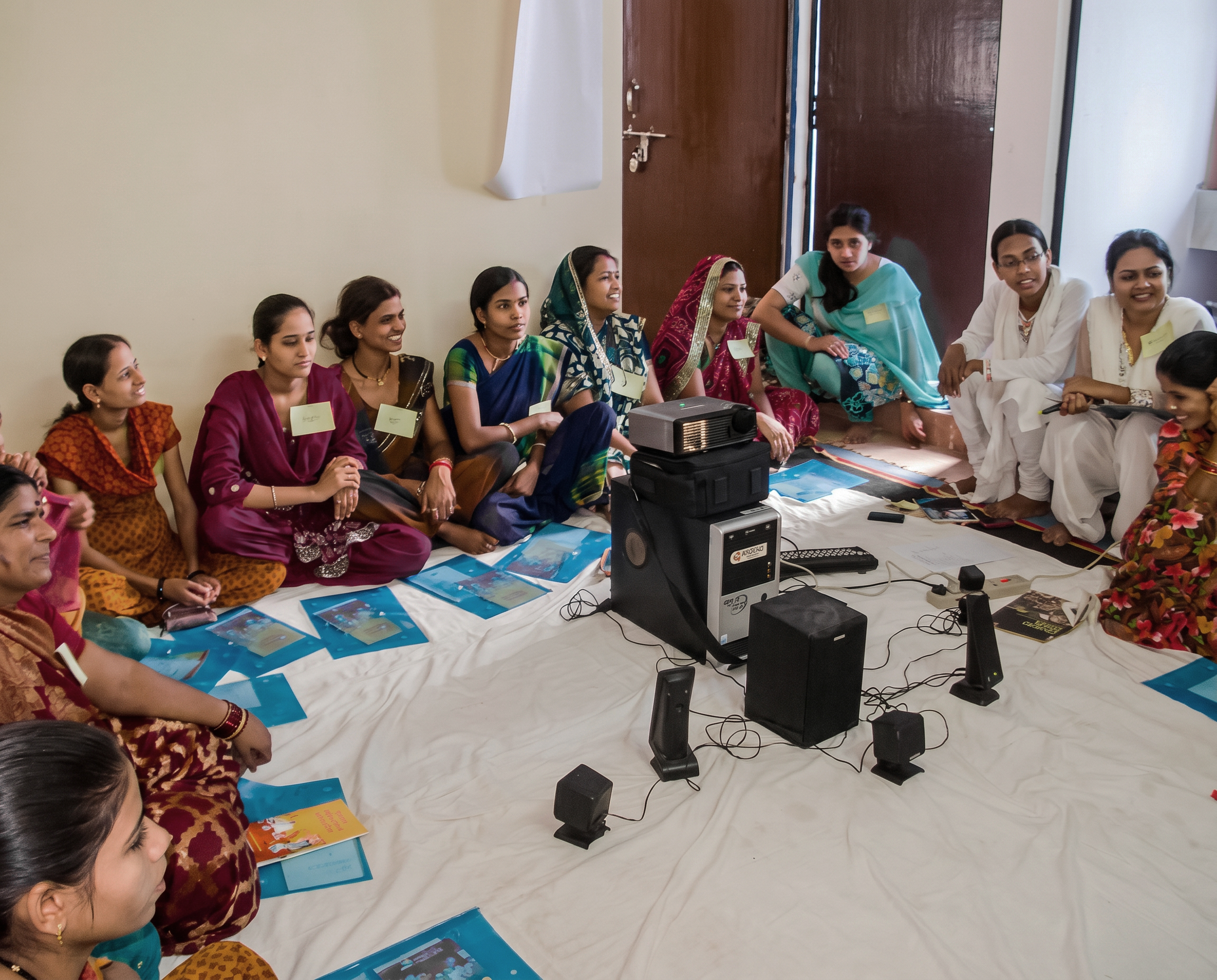
Community members were trained as village-level resource persons, creating a local pool of people who could help others understand their rights and navigate formal institutions. Legal awareness was reinforced through village meetings, films, posters, and legal aid camps. Lawyers were engaged through dedicated orientation workshops. They subsequently began volunteering as resource persons and helping with cases referred by the community.
One small incident showed what this change could mean. After attending a training programme, a village resource person named Kamal learnt about the legal rights of husbands and wives. When his in-laws refused to send his wife back to their home, he used that knowledge to explain the legal position to his father-in-law. The conversation changed the outcome, and his wife eventually returned. What had once been an unfamiliar legal provision had become something a person in the village could understand, explain and use.
The learning from this first phase then shaped the next. TAAL identified the need to develop village resource persons further into para-legals, strengthen access to professional legal counselling, create specialised support for issues such as juvenile justice and persons with HIV, and build stronger links between communities and institutions such as the police, courts, Legal Aid Services, Bar Associations, health services and local administration.
The Outcome
The initiative showed that access to justice could not be created through awareness campaigns alone. It required a chain of support—from an informed community and trusted local resource persons to lawyers, legal aid institutions and more responsive justice providers.
Community groups became spaces where people could discuss rights and grievances, village resource persons emerged as accessible sources of legal information, and local lawyers began contributing their expertise to community meetings and individual cases. At the same time, the project identified the gaps that still needed attention, including the need for wider awareness, continued handholding, professional legal counselling and stronger coordination among justice providers.
The experience ultimately changed the way TAAL understood access to justice itself. The poor did not simply need cheaper justice; they needed a system they could understand, approach and trust. And that meant working on both sides of the divide—building the capacity of people to claim their rights while strengthening the network of institutions that had the responsibility to respond.
That became the real legacy of the initiative: not merely teaching people what the law said, but helping create the confidence, knowledge and support needed to make the law work for them.