Helping Farmers Earn More from Every Acre in the Maan & Jobat Irrigation Projects, Dhar
Understanding Why Farmers Produced Less Than They Could in the Maan & Jobat Irrigation Projects, Dhar (2014)
Before solutions can transform agriculture, someone has to ask the right questions. Commissioned by the Development Support Centre (DSC), TAAL undertook an in-depth study across the Maan and Jobat irrigation command areas to understand why farmers continued to earn less than their land and irrigation systems made possible. Rather than focusing only on crop yields, the study explored the entire journey—from soil and cultivation practices to markets, institutions and the everyday decisions that shape a farmer’s income.
The Problem
At first glance, the region appeared to have everything needed for successful farming. Irrigation canals reached villages, fertile land supported crops such as wheat, cotton and chilli, and generations of farming knowledge already existed. Yet, many small and marginal farmers were unable to realise the full potential of their land. Productivity remained below achievable levels, cultivation costs continued to rise and profits often failed to justify the effort.
The reasons, however, lay far beyond the farm itself. Scattered landholdings, uneven access to irrigation, fragmented markets, limited technical support and weak value chains meant that increasing production alone was not enough. The real challenge was understanding where, and why, farmers were losing value along the journey from field to market.
Our Approach
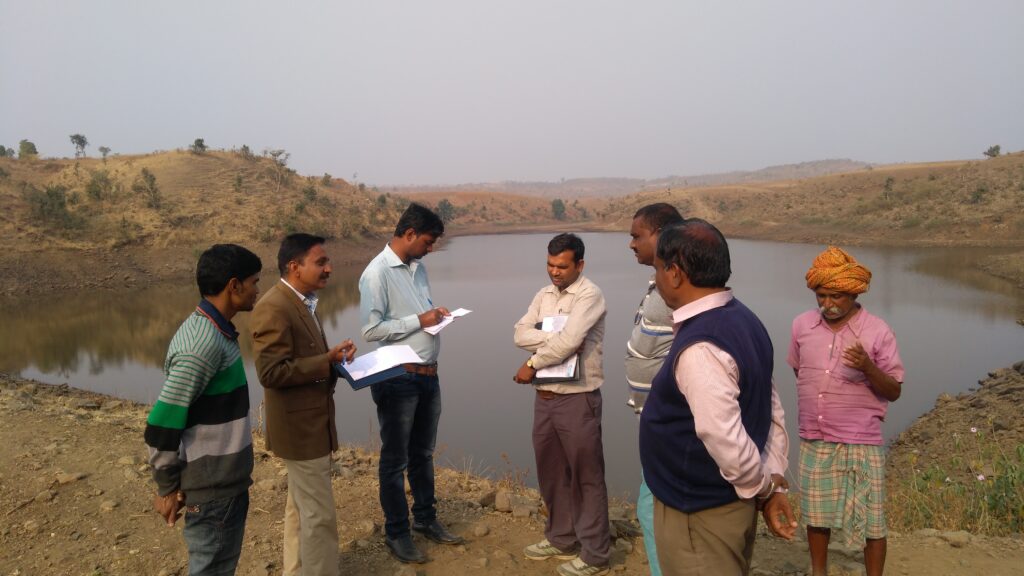
Rather than relying on assumptions, TAAL went to the source. Across twelve villages representing the head, middle and tail reaches of both irrigation systems, the team met farming households, walked through fields, studied cultivation practices and documented every stage of production. The study examined not only what farmers grew, but how they accessed seeds, fertilisers, irrigation, credit, markets and information. It compared actual crop yields with achievable productivity, analysed the economics of major crops, mapped value chains and identified the constraints that prevented farmers from earning more from the same land.
The conversations extended beyond agriculture. They explored how fragmented landholdings, dependence on informal credit, limited market options and weak collective institutions influenced everyday farming decisions. Farmer Clubs and Self-Help Groups were also studied as potential platforms through which farmers could procure inputs, access finance and negotiate better prices together, recognising that improving livelihoods requires stronger institutions as much as better farming practices.
The Outcome
The study produced far more than a snapshot of agricultural productivity—it created a roadmap for improving livelihoods across the command areas. By identifying yield gaps, production bottlenecks, market inefficiencies and institutional challenges, it provided DSC with practical, evidence-based recommendations to strengthen every stage of the agricultural value chain.
The findings continue to demonstrate an important lesson: improving farmers’ incomes is not simply about producing more crops. It is about understanding the many decisions, systems and relationships that determine whether hard work in the field ultimately translates into prosperity at home.