Safeguarding Groundwater for Sustainable Livelihoods in Burhanpur & Ratlam, Madhya Pradesh
Preparing a Climate-Resilient Groundwater Management Plan for Burhanpur & Ratlam, Madhya Pradesh (2017–2018)
Groundwater is invisible—until it begins to disappear. Across parts of Burhanpur and Ratlam, communities had watched wells deepen, pumps work harder and rivers shrink, while agriculture became increasingly dependent on water that was being extracted faster than nature could replenish it. Supported by IPE Global and UNDP, TAAL contributed to the preparation of a Detailed Project Report (DPR) that combined scientific research with community participation to create a long-term roadmap for protecting groundwater and strengthening climate resilience.
The Problem
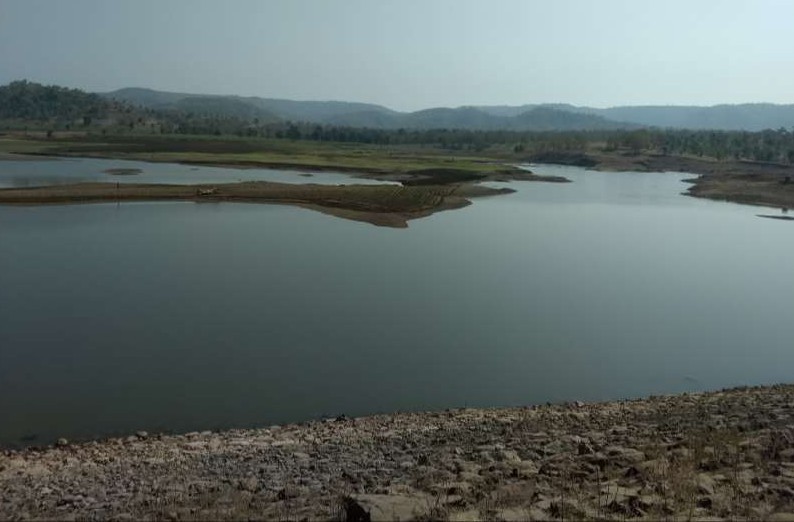
For years, agriculture in the region had steadily shifted towards water-intensive crops such as banana and cotton. As surface water sources, including stretches of the Suki River, became increasingly unreliable, farmers turned to borewells to keep their fields productive. Every successful borewell encouraged another, gradually placing enormous pressure on underground aquifers. Climate change made the situation even more fragile. Erratic rainfall, prolonged dry spells and rising temperatures reduced natural groundwater recharge while increasing the demand for irrigation.
What appeared to be an individual farmer’s decision to drill a deeper borewell was, in reality, becoming a shared crisis for the entire watershed. Without collective action, groundwater levels would continue to decline, making farming increasingly uncertain for future generations.
Our Approach
TAAL recognised that protecting groundwater begins with understanding it.
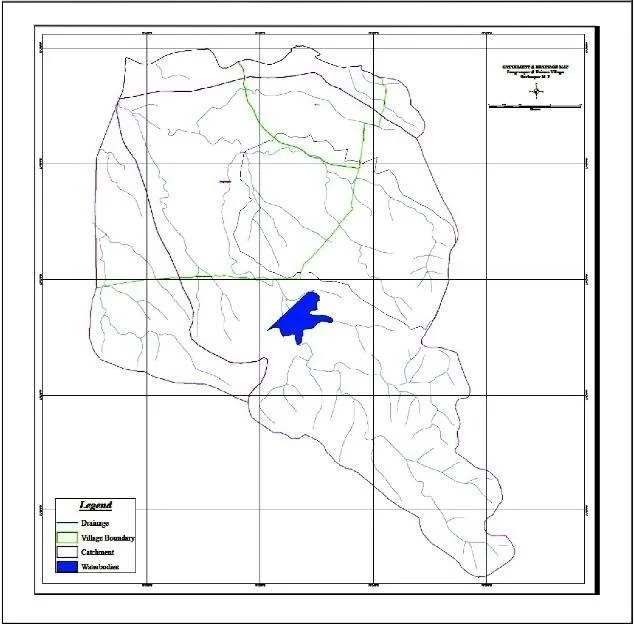
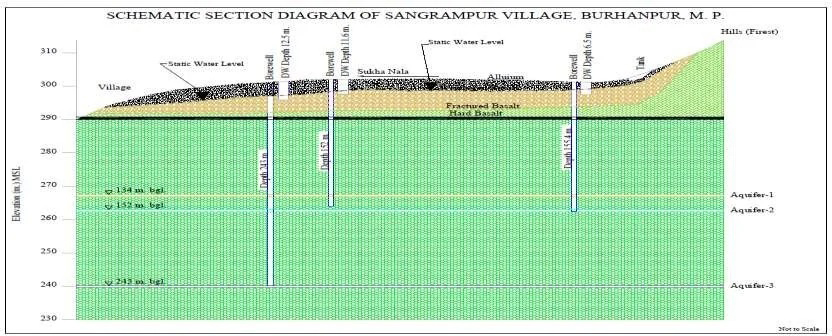
This project combined advanced scientific analysis with the knowledge of local communities. Satellite imagery, Digital Elevation Models, hydrogeological surveys and watershed mapping were used to understand how water moved across the landscape, where it naturally recharged and where the greatest pressures existed. Crop water requirements, drought patterns and groundwater demand were analysed to create a realistic picture of how much water was available—and how much was being used.
But science alone could not solve the problem. Farmers were involved in discussions on water budgeting, crop planning and groundwater management, helping them see the connection between individual farming decisions and the health of shared aquifers. The proposed plan brought together a range of solutions—artificial recharge structures, improved soil moisture conservation, water-efficient irrigation systems, crop diversification and strengthened local institutions such as Farmer Clubs and Watershed Development Committees.
The goal was not simply to conserve water, but to enable communities to become active stewards of the resource they all depended upon.
The Outcome
The Detailed Project Report laid the foundation for a community-led approach to groundwater governance in Burhanpur and Ratlam. It provided a scientifically grounded and financially viable roadmap for increasing groundwater recharge, improving irrigation efficiency and reducing the vulnerability of farming communities to climate change.
More importantly, the project reframed groundwater as a shared resource rather than an individual asset. By bringing together scientific evidence, local knowledge and participatory planning, it demonstrated that lasting climate resilience cannot be achieved by drilling deeper wells—it begins when communities understand the water beneath their feet, manage it collectively and plan today for the uncertainties of tomorrow.
Know More